As a patient, it is important to understand the nature of MCL injuries, their causes, symptoms, treatment options, and recovery timelines. This guide is designed to provide you with valuable information to help you make informed decisions about your health and recovery.
Understanding the Medial Collateral Ligament (MCL)
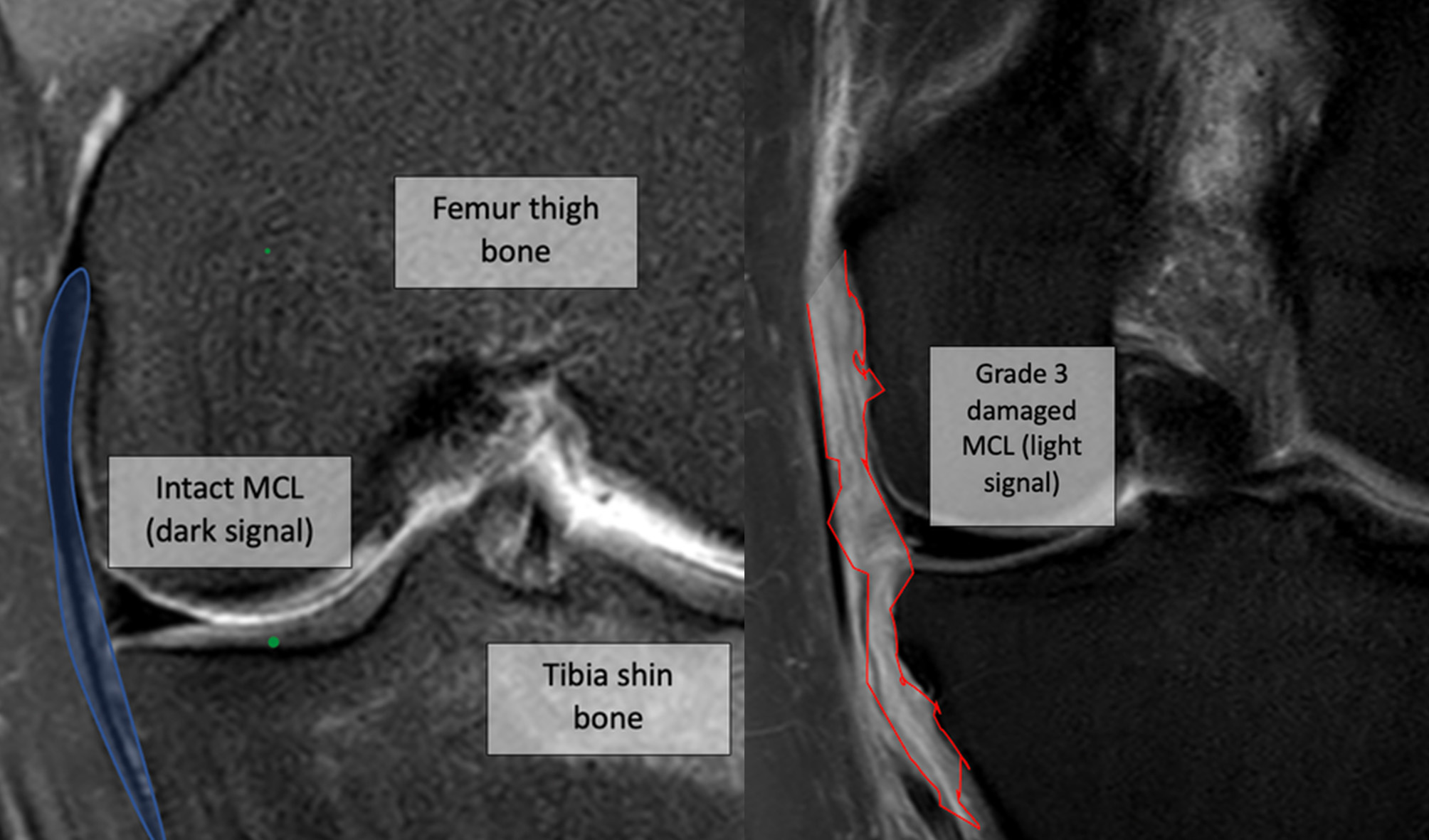
The medial collateral ligament (MCL) is a strong band of tissue that connects the femur (thighbone) to the tibia (shinbone) on the inner side of the knee. It provides stability to the knee joint, preventing excessive sideways movement (valgus) and protecting the knee from injuries caused by sudden changes in direction or force.
Causes and Types of MCL Injuries
MCL injuries typically occur due to a sudden force or impact to the outer side of the knee, causing the ligament to stretch or tear. Common causes include:
- Sports-related injuries (e.g., football, soccer, skiing)
- Car accidents
- Falls or direct blows to the knee
There are three grades of MCL injuries, ranging from mild to severe:
- Grade 1 (Mild): Minor stretching or micro-tears in the ligament
- Grade 2 (Moderate): Partial tear of the ligament
- Grade 3 (Severe): Complete tear of the ligament